
Learning an Instrument Does Wonders For The Brain, Studies Show
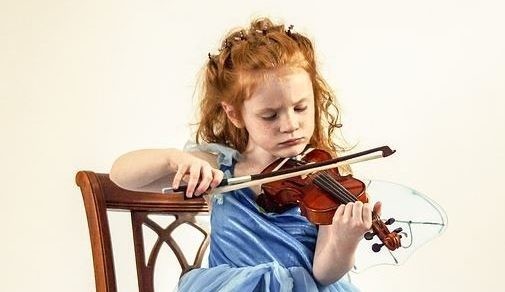
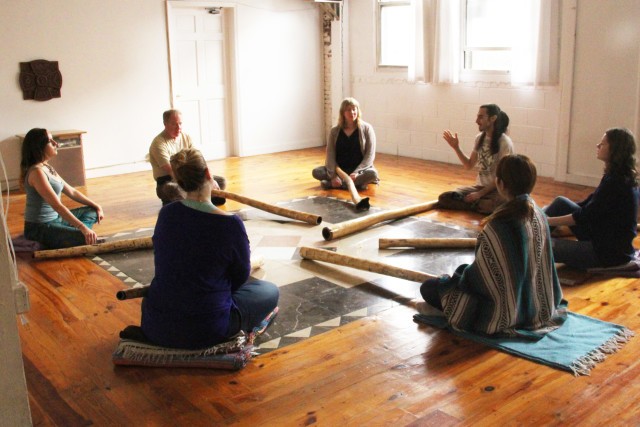
Playing musical instruments involves complex muscle responses. Therefore, it’s only natural that children who practice for hours at a time demonstrate improved fine motor functions. In addition, the idea that instruments have a profound impact on those with special needs has ventured beyond mere theory. Studies on how playing a musical instrument effects the brain are still in their early stages, but research continues to uncover astounding, new data.
Playing A Musical Instrument Rewires the Brain
Brain plasticity (the brain’s ability to restructure itself) has sparked interest over the past few years, and the effects of playing musical instruments has been highly discussed by researchers. Studies have consistently shown correlations between seasoned musicians and changes in brain composition. Comparisons with the brains of non-musicians has drawn speculation about the role instruments play in improving and refining auditory processes. Brain functions used to decode sound and rhythms have a fundamental nature, which means they can be translated into practical tasks, such as memory and speech, according to many scientists. Researchers have also observed that musicians are more keen in detecting variations in language and can sense emotions just by hearing subtle changes in a speaker’s voice.
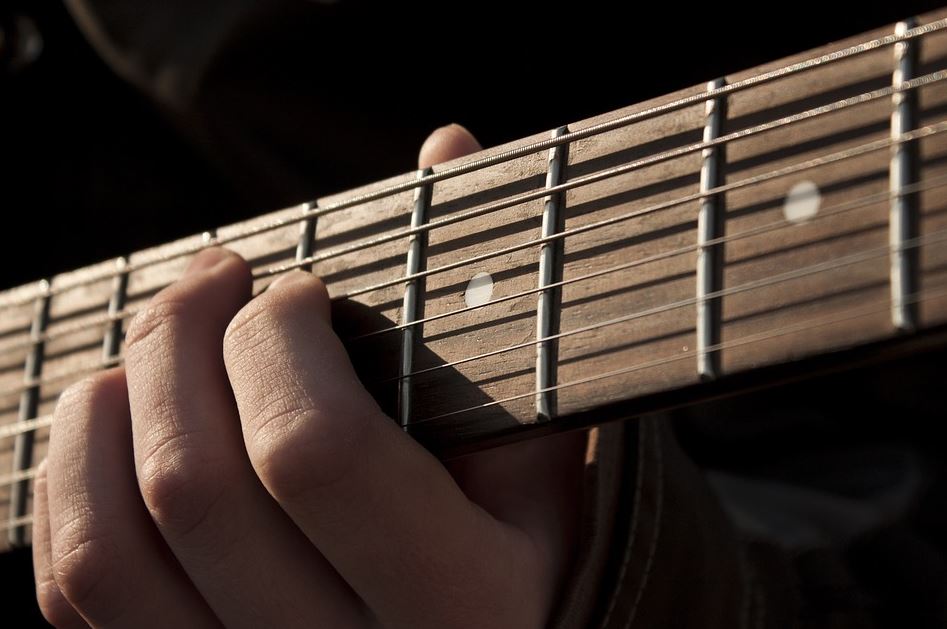
Playing A Musical Instrument Leads To Academic Improvement
Brain scans have discovered a possible relationship between musicians and the accumulation of myelin, which helps the brain transmit information faster and perform elaborate functions. In fact, the simultaneous employment of nearly every part of the brain might explain why a student who begins playing at an early age is more likely to excel in academics and develop advanced problem solving skills.
Playing A Musical Instrument Leads To Enhanced Muscle Memory
Muscle memory (aka being able to repeat a physical task without conscious effort) among musicians is thought to be well-developed, particularly in students who begin learning by the age of seven. This can be credited to the cerebellum’s involvement in grouping sophisticated sequences necessary for playing rhythms, scales and chords. Performing differs significantly from simply listening to music because it involves manipulation of sound, which neurologist believe contributes to improved memory skills over time.
The decision to begin a new process, especially one as challenging as learning to play an instrument, can be frightening for adults, but the long-term benefits are invaluable. Playing at any age can sharpen the brain and relieve stress. Children and even adults starting later in life can benefit from instructors who will nudge them through difficult periods in the learning process, which is why educators play such an important role in keeping music a vital part of our culture. For those passionate about working with developing musicians, we encourage you to start teaching as much as you can, as soon as you can. Start to share everything you know with anyone who shows interest, and get experience by volunteering at music schools, retirement homes, pre-schools and anywhere else where music is appreciated.
Have you experienced positive results by playing or seeing others play a musical instrument? Post your findings in the comments section below.

Dixie Somers is a freelance writer and blogger for business, home, and family niches. Dixie lives in Phoenix, Arizona, and is the proud mother of three beautiful girls and wife to a wonderful husband. She can be found on Facebook. Dixie got information for this piece from a school that offers online programs in music education.






 When we are sick or develop illness, our first instinct is usually to go to the doctor. While Western Medicine is a fantastic system, there are many cases where a doctor will prescribe a pharmaceutical medicine when natural alternative therapies would be equally or more effective.






 Jose Leon is a Reiki Master Teacher and Registered Massage Therapist based in Vancouver, BC. He has over 16 years of experience as an educator and practitioner of energy healing and healthy lifestyle living. Jose currently runs Reiki sessions and classes at his own practice, which you can learn more about on his website: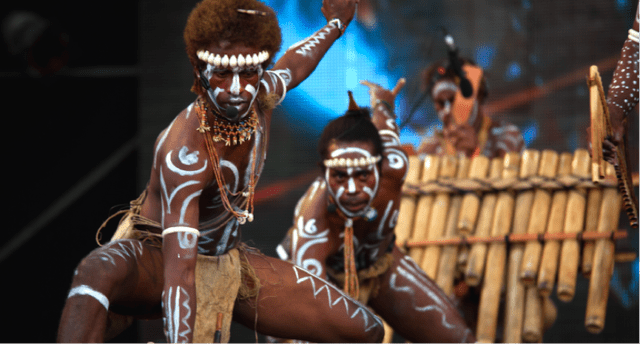
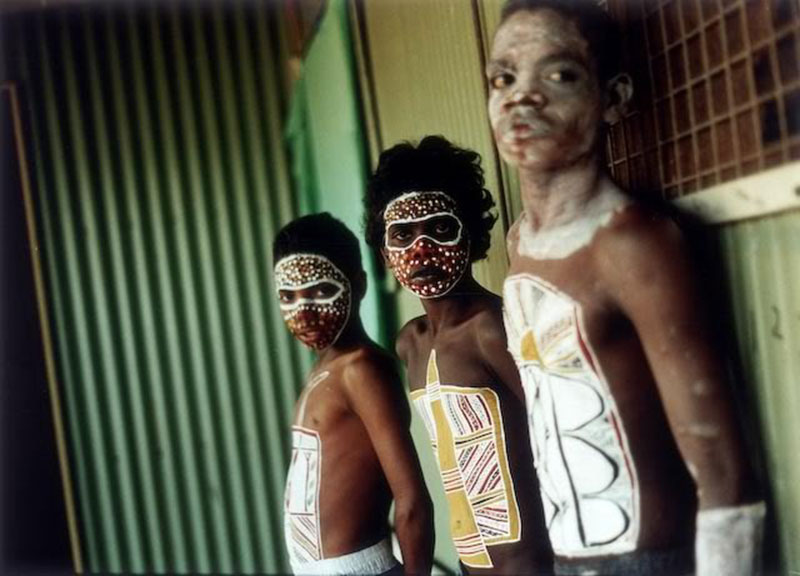
 In Between Songs follows an Australian Aboriginal family’s struggle to survive. Djalu Gurruwiwi, Yolngu elder, and his sister, Dhanggal, strive to restore eroding tradition. While shepherding their Galpu clan through economic, environmental, and social pressures, they search desperately for new custodians to safeguard their priceless musical legacy. Emmy award winner and Oscar nominated actor/activist James Cromwell narrates this stirring feature documentary. Check out Didge Project’s
 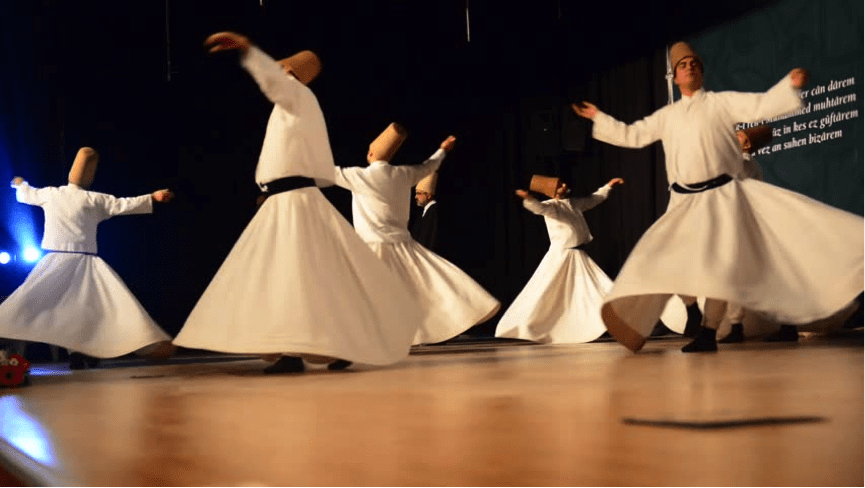 This film looks at one of the Islam’s oldest sects, the Sufi Tradition, and how its love of peace, music and poetry may even hold an antidote for the extremism that we are seeing around the world today. Sufism preaches tolerance and pluralism. It puts a massive focus on dance, celebration, life and laughter.
 The Native Americans are another fantastic example of an Indigenous people with a vibrant and diverse musical culture. This enchanting combination of old and new is evident that in the work of Jim Pepper and his band The Free Spirits.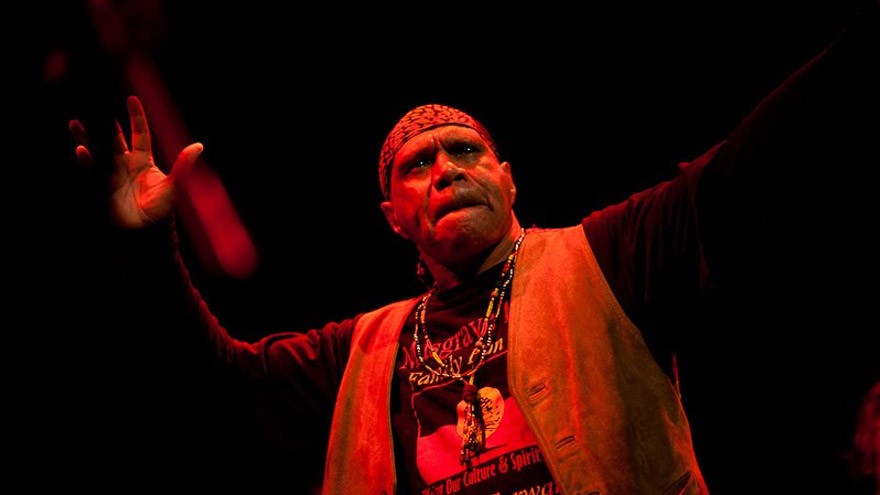

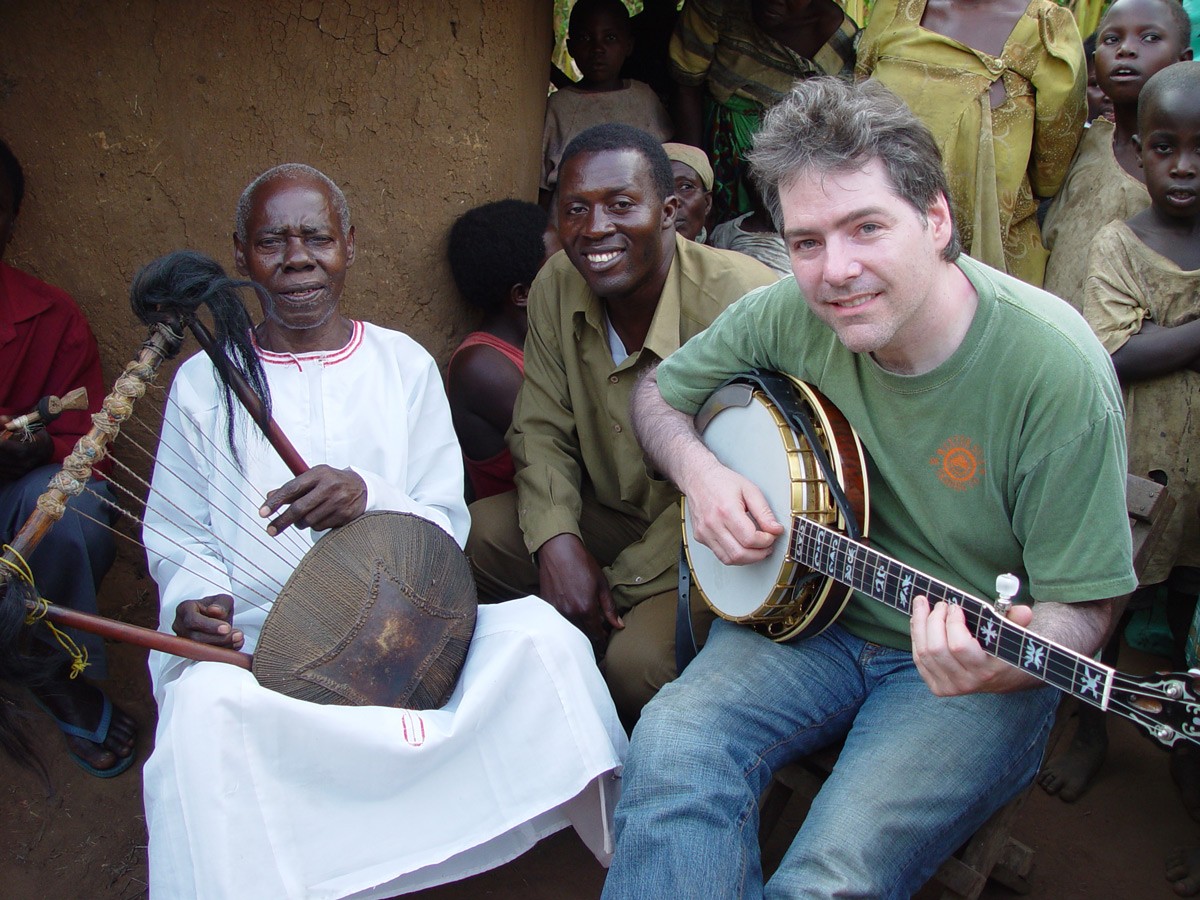
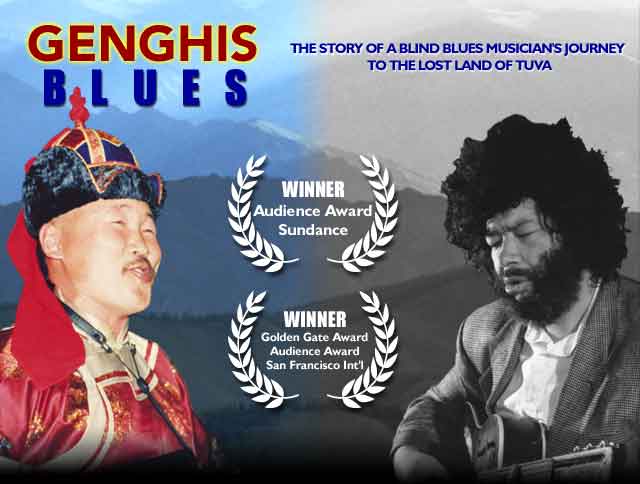 Paul Pena, a blind San Francisco blues musician, heard a fantastically strange sound on the radio one day and started to try to recreate it with his voice. After investigating further, he found out that this music comes from Tuva, a small country on the Mongolian border. This film shows Pena traveling to to Tuva to learn from the masters and (eventually) help to bring tuvan throat Singing to the west.
 Filmmaker Tony Gatlif decided to document the vast Romani musical tradition with both staged and spontaneous performances across Eurasia. Commonly referred to as gypsies, the Romani people are attributed large influence in the development of flamenco, gypsy jazz, North Indian, Greek, Turkish, Slavic, Persian, Arabic and Jewish musical forms. This film is a stunning insight into ethnic music. Watch in full here:
 Isa is an entertainment blogger for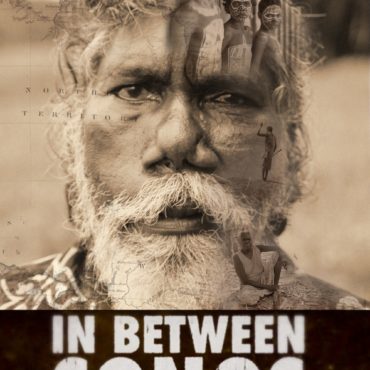

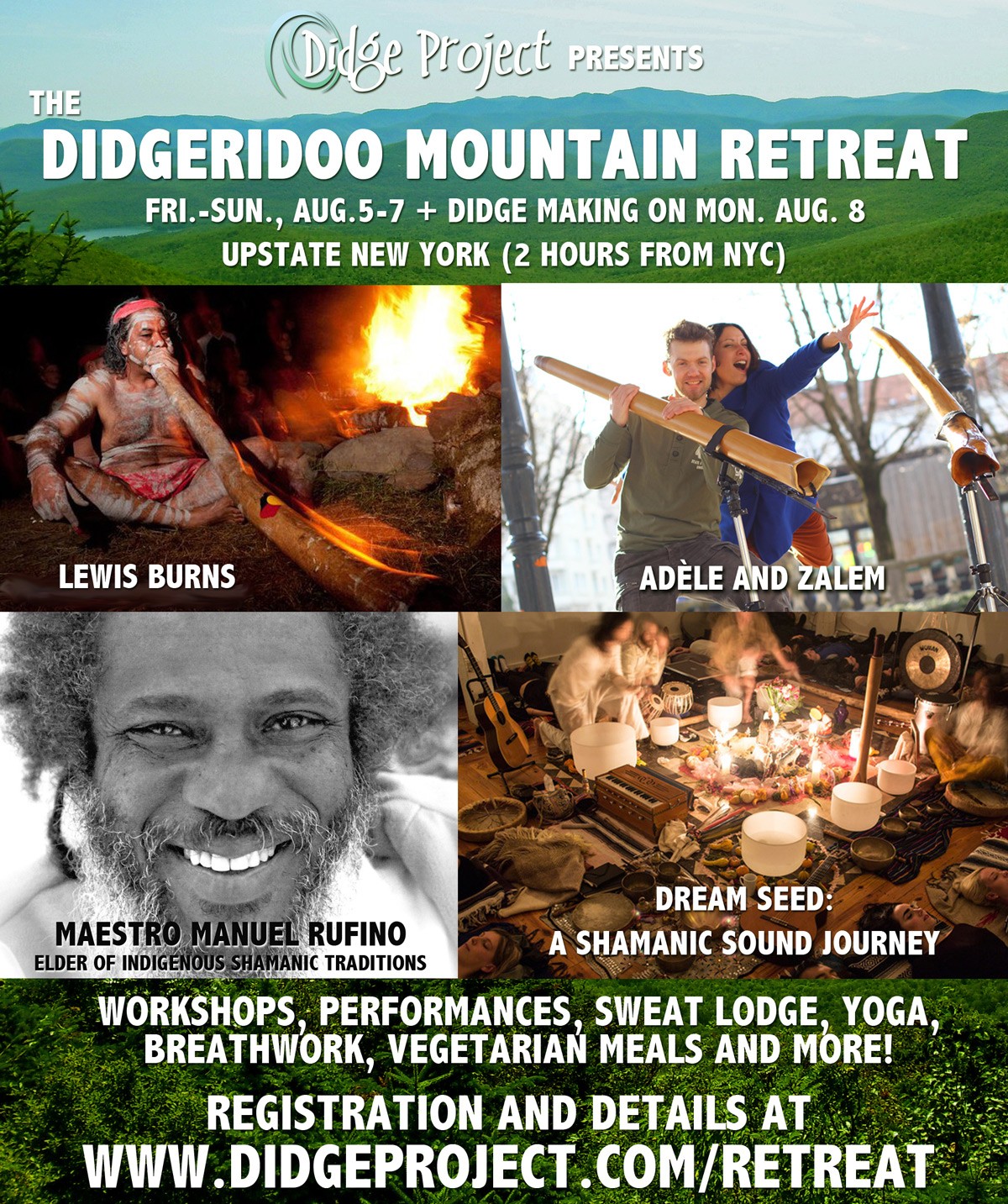

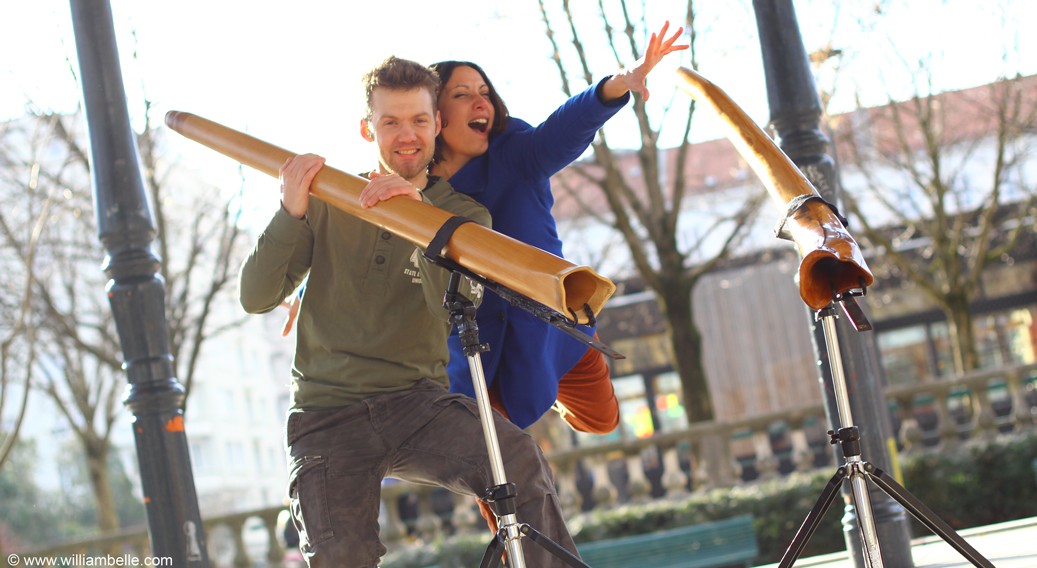 Adèle & Zalem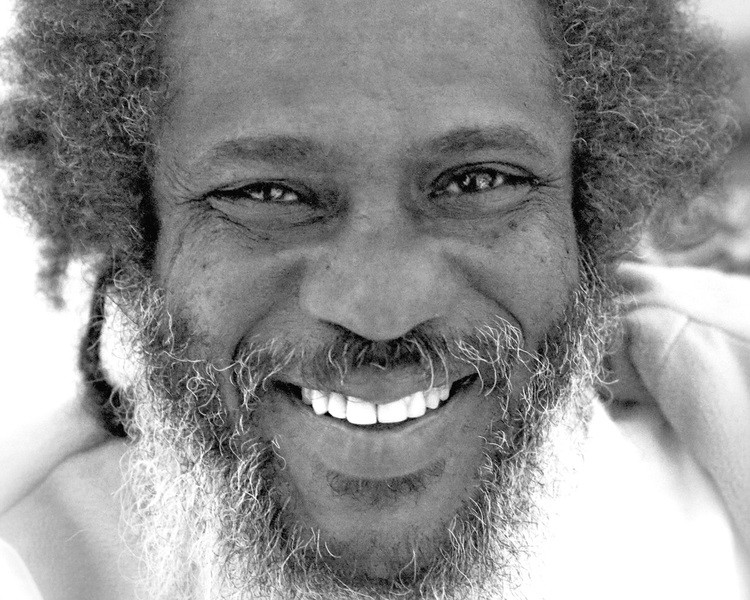
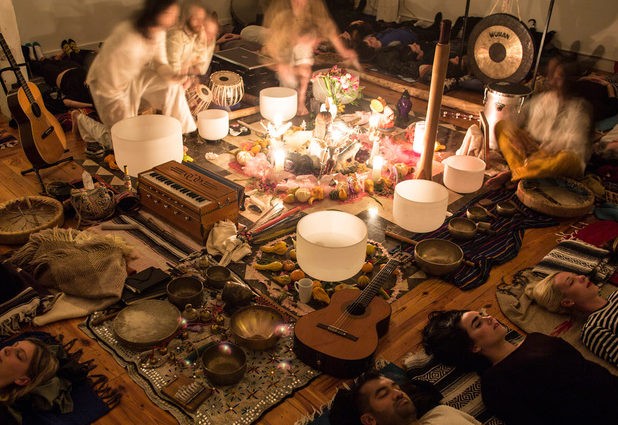
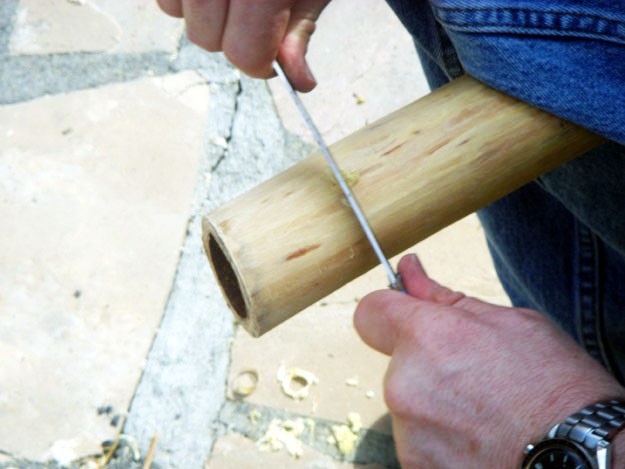 Join Lewis Burns in making your own didgeridoo from a Termite Hollowed Mallee Eucalyptus tree that comes from Australia. This workshop is limited to 10 people and costs an additional $350. Bring your own gloves!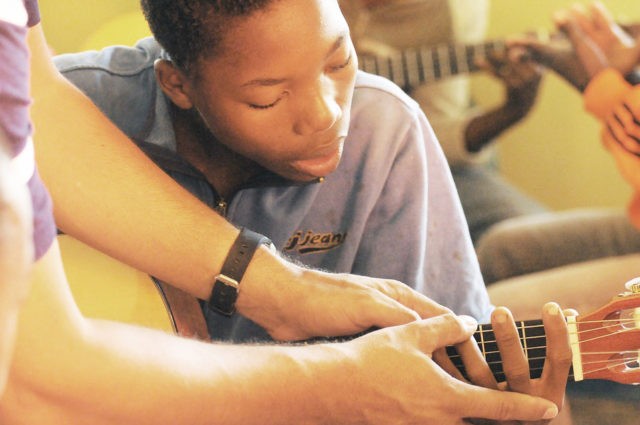



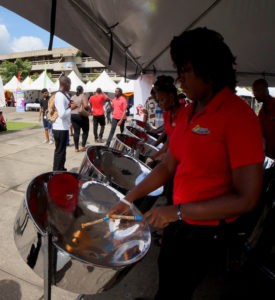
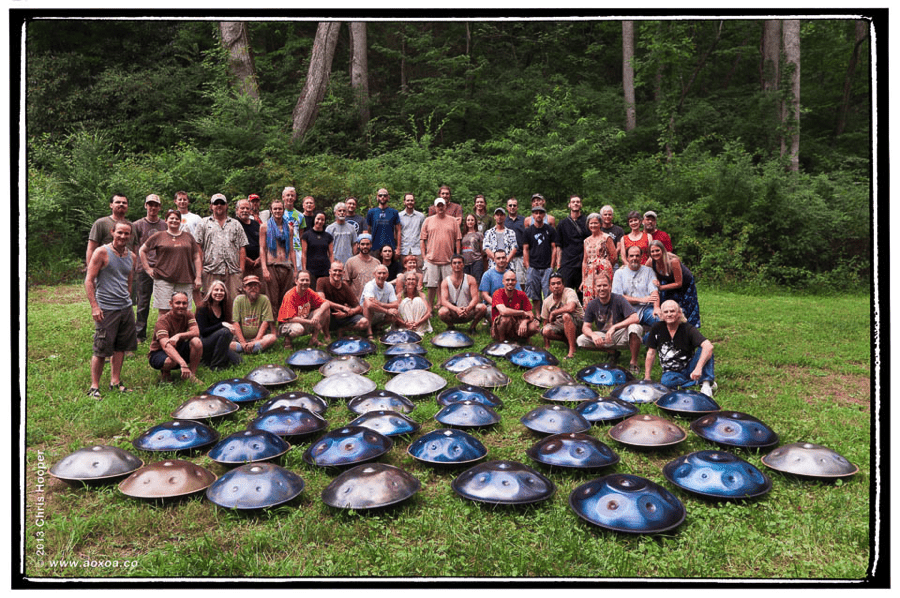
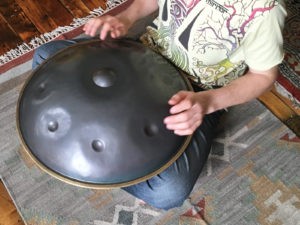 Felix and Sabrina called the instrument “the Hang” (pronounced hah-ng), simply meaning, “hand” in their Swiss-German dialect. They took legal rights over the name “Hang” under PanArt. The Hang was officially presented to the public in 2001 in Frankfurt, Germany and instantly the instruments became popular for their beautiful and mysterious tone and unique scales. The desire for the Hang began to grow rapidly. However, Felix and Sabrina approached the Hang as a work of art, not a commodity and refused to mass-produce their creation, making only a limited number each year by hand.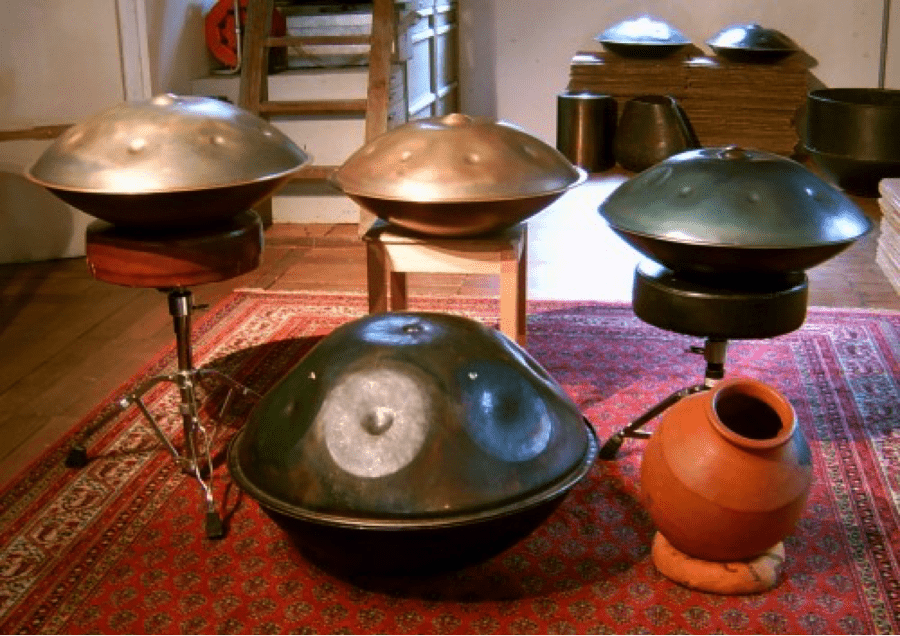



 Kate Simpson remembers having a curiosity about the world from a very young age, and since then she hasn’t stopped learning and acquiring new knowledge. Currently she works for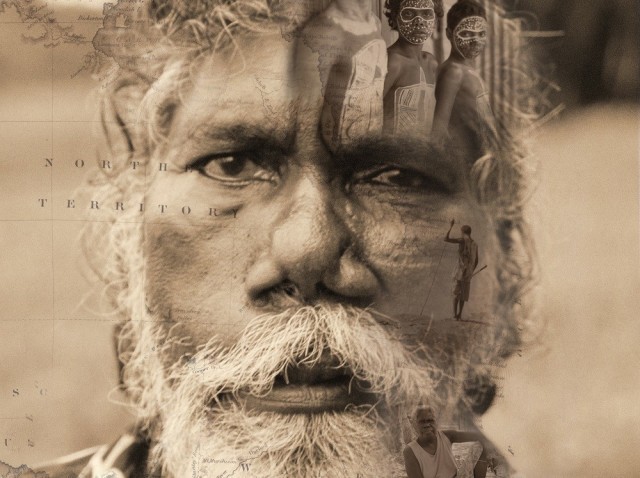
 Joshua Bell is a filmmaker who strives to infuse soul and substance into his work. His short and feature length documentaries have generated serious buzz at festivals worldwide, receiving nods from media giants such as The New York Times and The Huffington Post.