
What are the benefits of sound healing?
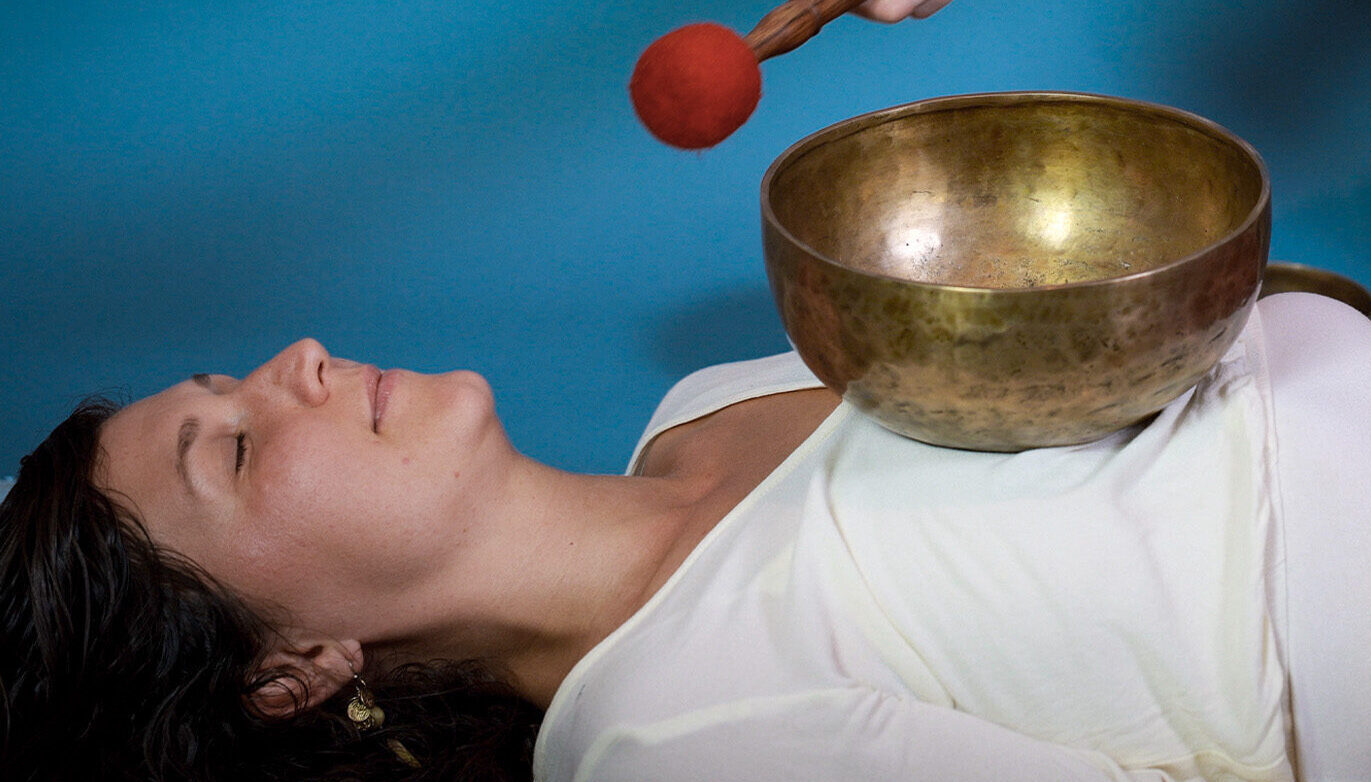 The close proximity of sound instruments to the body creates a unique experience that transcends mere auditory perception, allowing one to feel the vibrations deeply. This interaction has profound implications for sound healing and meditation practices. The book “Elements of Sound” explores the relationship between sound and consciousness, emphasizing the inner processes involved in conducting sound healing sessions. This understanding is crucial for effective practice.
How can sound instruments enhance meditation?
 Sound instruments like singing bowls and flutes offer rich overtones that differentiate them from traditional Western instruments. Their unique sound quality enhances the meditative and healing experience. Instruments from diverse cultures often carry a spiritual or intentional design, enhancing their effectiveness in healing and meditation. Many have been used for thousands of years with deep-rooted significance. The connection between music and nature evokes primal elements of life, allowing individuals to experience deeper listening and relaxation through harmonically rich instruments. Engaging with these sounds encourages a unique mental and emotional integration process. Imagining nature can inspire creativity in music-making, linking human experiences to fundamental elements like wind and rain, enhancing emotional responses to sound.
What is the role of silence in sound healing?
What is the role of music theory in sound healing?
Different cultures utilize various instruments for sound healing, including drums, flutes, and bowls, each contributing unique vibrations and tones to the meditation experience. This diversity showcases the universal nature of sound healing. The process of sound meditation is not passive; it often involves active participation through playing instruments or vocalizing intentions. This engagement enhances the therapeutic effects of the practice.
Sound healing can significantly impact the nervous system, causing stress or damage if not approached thoughtfully. Practitioners should consider context and the dynamics of sound for effective healing. The importance of context in sound healing is highlighted, where loud sounds can be beneficial in some situations but overwhelming in others. Practitioners must gauge the room’s energy and adjust accordingly. Tension and resolution are central to music, as expectations can create tension when unfulfilled. This dynamic plays a crucial role in how sound is perceived and experienced during healing.
Proximity of instruments is vital, as sound intensity increases significantly the closer it is to the listener. This effect influences how sound vibrations are felt physically in the body. Sound meditation utilizes different frequencies to help individuals focus and dissolve their thought patterns. By incorporating various instruments, a rich sound texture is created that enhances the meditative experience.
In sound meditation, high tones serve as attention grabbers, similar to how ginger cleanses the palate between sushi flavors. This allows participants to better focus on the experience. The combination of low, middle, and high frequencies creates a depth and richness in sound. This diverse sound spectrum promotes a more immersive and relaxing environment during meditation.
Art is seen as a way to decorate space, while music decorates time. The arrangement of notes over time influences the overall experience and emotional response to sound. “Elements of Sound” aims to empower individuals interested in sound healing by integrating scientific and spiritual perspectives. It seeks to demystify the practice and enhance public understanding of its benefits.
Understanding sound healing involves addressing common questions about its nature and effectiveness, which can vary based on the audience and context of the discussion.